Understanding 45 Feet Containers: A Comprehensive Overview
In the world of shipping and logistics, container types play an essential role in identifying the effectiveness and effectiveness of transporting products. Amongst the various sizes available, 45 feet containers have gotten prominence due to their adaptability and capacity. In this helpful post, we will look into the specifics of 45 feet containers, exploring their dimensions, utilizes, advantages, and comparisons against other container sizes.
What is a 45 Feet Container?
A 45 feet container is a shipping container that is developed for transporting items over long distances by sea, land, or rail. These containers supply increased capability compared to standard 20 and 40-foot containers, making them an ideal option for services dealing wholesale goods or requiring larger storage services.
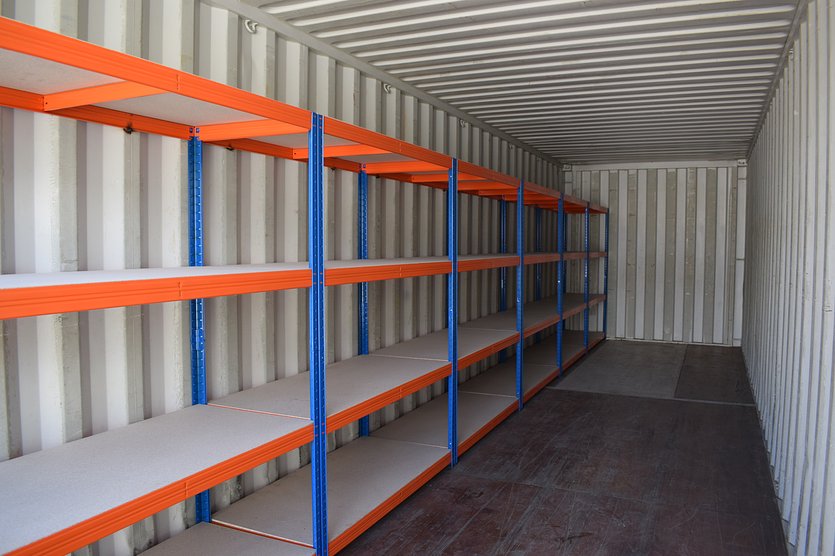
Dimensions of 45 Feet Containers
To better understand the requirements of a 45 feet container, the following table outlines its dimensions:
| Dimension | Measurement |
|---|
| Length | 45 feet (13.7 meters) |
| Width | 8 feet (2.44 meters) |
| Height | 9.5 feet (2.9 meters) |
| Volume | 3,040 cubic feet (86.14 cubic meters) |
| Weight (Max) | 67,200 pounds (30,480 kg) or 30,000 kg |
| Payload (Max) | 58,500 pounds (26,600 kg) |
Key Features of 45 Feet Containers
45 feet containers boast a number of functions that set them apart from other container sizes:
- Increased Capacity: With a larger interior space, companies can carry more products at once, resulting in minimized shipping costs per unit.
- Versatility: These containers can accommodate a wide array of cargo types, including dry products, perishables, and large products.
- Schedule of Refrigeration: Some 45 feet containers are offered in refrigerated (reefer) variations, important for transporting temperature-sensitive goods.
- Resilience: Made from corroded-resistant steel, these containers are developed to stand up to extreme ecological conditions during transit.
Applications of 45 Feet Containers
The utilization of 45 feet containers covers numerous markets. Here are some typical applications:
- International Trade: Ideal for organizations involved in importing and exporting big volumes of products.
- Building: Frequently used on construction websites to transfer tools and materials due to their robust construct.
- Retail Supply Chains: Retailers use these containers for shipping big quantities of product from makers to warehouse.
- Occasion and Festival Logistics: Often used to transfer devices and supplies for big events or festivals.
Benefits of Using 45 Feet Containers
Choosing for 45 feet containers presents numerous benefits, including:
- Economical: The bigger capability can decrease per-unit shipping expenses.
- Time Efficiency: Reduces the variety of journeys required to transport products, reducing total transit time.
- Minimized Handling: Less regular loading and discharging reduce the risk of damage to goods.
- Improved Stability: Due to their length and style, 45 feet containers may provide enhanced stability for specific load types.
45 Feet Containers vs. Other Container Sizes
When thinking about container choices, businesses often compare 45 feet containers to other sizes. Below is a comparative table.
| Container Size | Length | Capacity | Normal Use |
|---|
| 20 Feet | 20 feet | 1,172 cubic feet | Little deliveries |
| 40 Feet | 40 feet | 2,390 cubic feet | Standard big deliveries |
| 45 Feet | 45 feet | 3,040 cubic feet | Bulk deliveries |
Considerations When Choosing a Container Size
When choosing which container size to utilize for shipping, consider the following:
- Volume of Goods: Estimate the volume and weight of the goods to guarantee you pick an appropriate size.
- Shipping Costs: Compare rates for various container sizes to figure out the most affordable alternative.
- Accessibility and Accessibility: Ensure the availability of the selected container size and think about access to transfer paths.
Regularly Asked Questions (FAQ)
1. What can be transferred in a 45 feet container?
A 45 feet container can carry a wide range of items, consisting of dry cargo, perishables, heavy machinery, and big retail deliveries.
2. Are 45 feet containers offered for rent?
Yes, lots of shipping companies provide 45 feet containers for rent. This alternative is hassle-free for services that need short-term storage or shipping options.
3. How do I understand if a 45 feet container is the right choice for my needs?
Examine the volume and weight of the cargo you prepare to transfer, evaluate shipping rates, and consider your logistics requirements.
4. Can 45 feet containers be delivered overseas?
Absolutely! 45 feet containers are developed for international shipping and can be carried via cargo ships around the world.
5. Exist any regulations governing using 45 feet containers?
Yes, the International Maritime Organization (IMO) has specific policies related to the shipping and security of 45ft Containers, which likewise use to 45 Foot Shipping Containers feet containers.
In conclusion, 45 feet containers are an essential component of the worldwide shipping market, using organizations flexible shipping options with substantial capability and efficiency. Their capability to accommodate various markets and cargo types makes them progressively favored by shippers worldwide. By understanding the features, advantages, and contrasts of 45 feet containers, businesses can make educated decisions that align with their shipping requirements.